OUR SAFETY POLICY STATEMENT
Safety is the state in which the possibility of harm to persons or of property damage is reduced to, and maintained at or below, an acceptable level through a continuing process of hazard identification and safety risk management. While the elimination of aircraft accidents and/or serious incidents remains the ultimate goal, it is recognized that the aviation system cannot be completely free of hazards and associated risks. Human activities or human-built systems cannot be guaranteed to be absolutely free from operational errors and their consequences. As long as safety risks are kept under an appropriate level of control, a system as open and dynamic as aviation can still be managed to maintain the appropriate balance between production and protection.

Safety is one of our core business functions. We are committed to developing, implementing, maintaining and constantly improving strategies and processes to ensure that all our aviation activities take place under an appropriate allocation of organizational resources, aimed at achieving the highest level of safety performance and meeting regulatory requirements, while delivering our services. All levels of management and all employees are accountable for the delivery of this highest level of safety performance, starting with the CEO.
Our commitment is to:
1) support the management of safety through the provision of all appropriate resources that will result in an organizational culture that fosters safe practices, encourages effective safety reporting and communication, and actively manages safety with the same attention to results as the attention to the results of the other management systems of the organization;
2) ensure that the management of safety is a primary responsibility of all managers and employees;
3) clearly define, for all staff, managers and employees alike, their accountabilities and responsibilities for the delivery of the organization’s safety performance and the performance of our safety management system;
4) establish and operate hazard identification and risk management processes, including a hazard reporting system, in order to eliminate or mitigate the safety risks of the consequences of hazards resulting from our operations or activities, to achieve continuous improvement in our safety performance;
5) ensure that no action will be taken against any employee who discloses a safety concern through the hazard reporting system, unless such disclosure indicates, beyond any reasonable doubt, gross negligence or a deliberate or wilful disregard of regulations or procedures;
6) comply with and, wherever possible, exceed, legislative and regulatory requirements and standards;
7) ensure that sufficient skilled and trained human resources are available to implement safety strategies and processes;
8) ensure that all staff are provided with adequate and appropriate aviation safety information and training, are competent in safety matters, and are allocated only tasks commensurate with their skills;
9) establish and measure our safety performance against realistic safety performance indicators and safety performance targets;
10) continually improve our safety performance through continuous monitoring and measurement, regular review and adjustment of safety objectives and targets, and diligent achievement of these; and
11) ensure that externally supplied systems and services to support our operations are delivered meeting our safety performance standards.
OUR SAFETY MEASURES
The fundamentals of safety risk includes the following topics:
a) a definition of safety risk;
b) safety risk probability;
c) safety risk severity;
d) safety risk tolerability; and
e) safety risk management.
We DO NOT TOLERATE a Risk of Catastrophic, Hazardous or Major event, even if this event occurrence has been reported as remote probability. We do not tolerate any event in the aviation with estimated risk severity that has caused, or can cause a significant reduction in safety margins, a reduction in our ability to cope with adverse operating conditions as a result of an increase in workload or as a result of conditions impairing our efficiency.


OUR SAFETY promotion
We encourages a positive safety culture and we creates an environment that is conducive to the achievement of our safety objectives. Our positive safety culture is characterized by values, attitudes and behavior that are committed to the Fly Allways safety efforts. This is achieved through the combination of technical competence that is continually enhanced through training and education, effective communications and information sharing. Our senior management provides the leadership to promote the safety culture throughout Fly Allways. Please acknowledge our Safety Bulletins.
Ours safety effort is not just by mandate or strict adherence to policies. Our safety promotion affects both individual and organizational behavior and supplements the Fly Allways’s policies, procedures and processes, providing a value system that supports safety efforts.
We encourage communication, providing an environment that allows senior management to receive open and constructive feedback from operational personnel. We ask you to help us identify any risk in our activities, please report any fact that you may considerer a hazard or a risk.
SAFETY PROMOTION
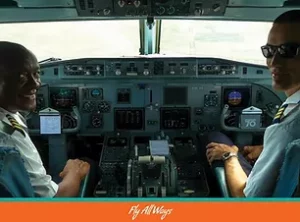
Our Pilots attend a periodic traning in the CAE Flight Simulators Training Facility at Amsterdarm. One of the most reliable training facility in the world

SAFETY PROMOTION
We are constantly training our ground staff personnel about all safety and emergency procedures

SAFETY PROMOTION
We encourage and training our staff personnel to adhere and comply with our safety policies, procedures and processes



SAFETY ASSURANCE
Safety assurance consists of processes and that we undertake to determine whether the SMS is operating according to our expectations and requirements. We continually monitors our internal processes as well as our operating environment to detect changes or deviations that may introduce emerging safety risks or the degradation of existing risk controls. Such changes or deviations will be addressed together with the safety risk management process.
The safety assurance process complements that of quality assurance, with each having requirements for analysis, documentation, auditing and management reviews to assure that certain performance criteria are met. While quality assurance typically focuses on the organization’s compliance with regulatory requirements, safety assurance specifically monitors the effectiveness of safety risk controls.
We development and implement corrective actions in response to findings of systemic deficiencies having a potential safety impact together with the departments cited in the findings.

Report a hazard here
SAFETY INFORMATION PROTECTION
International civil aviation’s outstanding safety record is, among others, due to one key factor: a continuous learning process based on the development and free exchange of safety information. It has long been recognized that endeavors aimed at improving contemporary civil aviation safety must build upon objective data. There are several sources of such data available to civil aviation. In combination, they provide the basis for a solid understanding of the strengths and weaknesses of aviation operations. The key objective of Fly Allways voluntary and confidential reporting system is to enhance the safety of our company’s aviation activities through the collection of reports on actual or potential safety deficiencies that would otherwise not be reported through other channels. Such reports may involve occurrences, hazards or threats relevant to the safety of our aviation activities. This system does not eliminate the need for formal reporting of accidents and incidents according to our company SOPs, as well as the submission of mandatory occurrence reports to the relevant regulatory authorities.
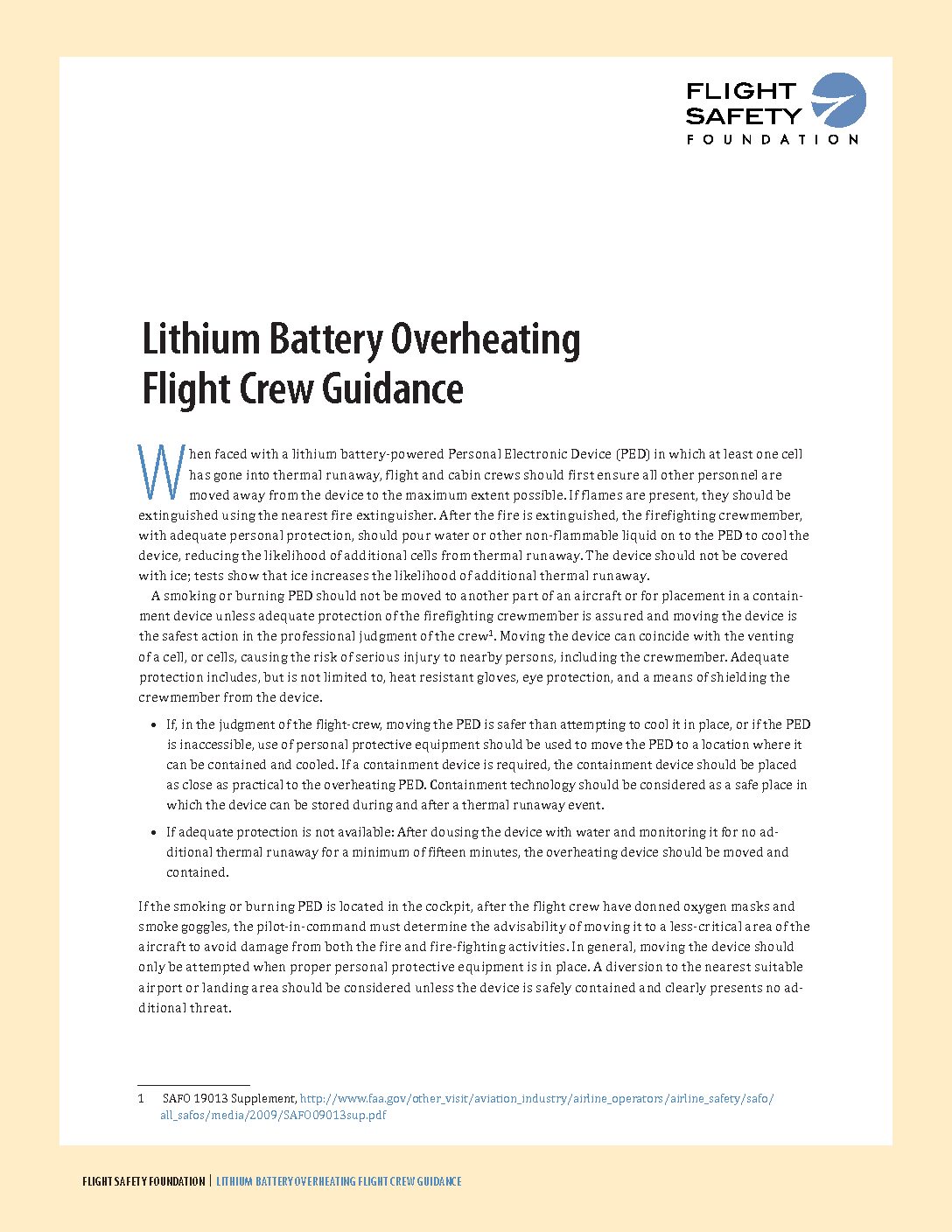
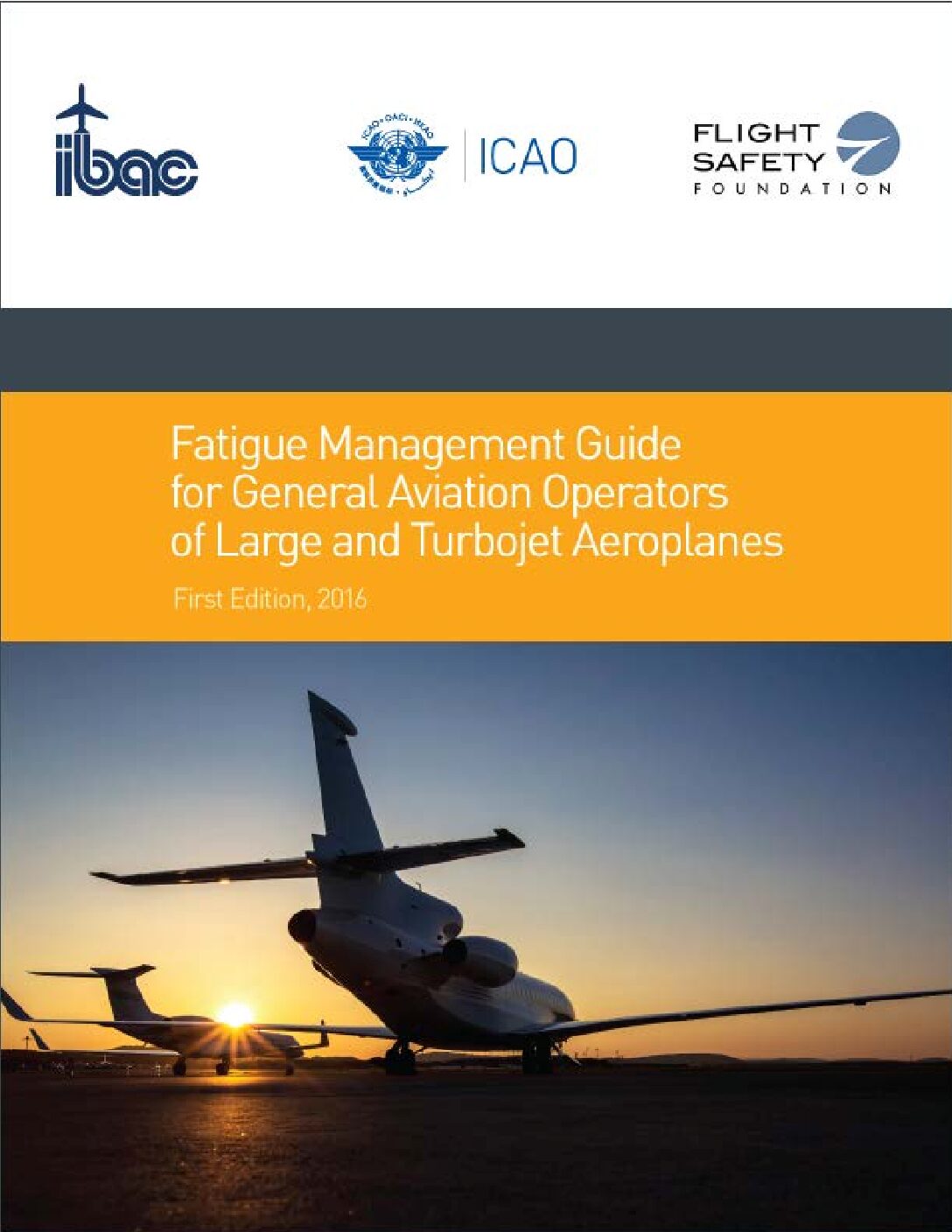
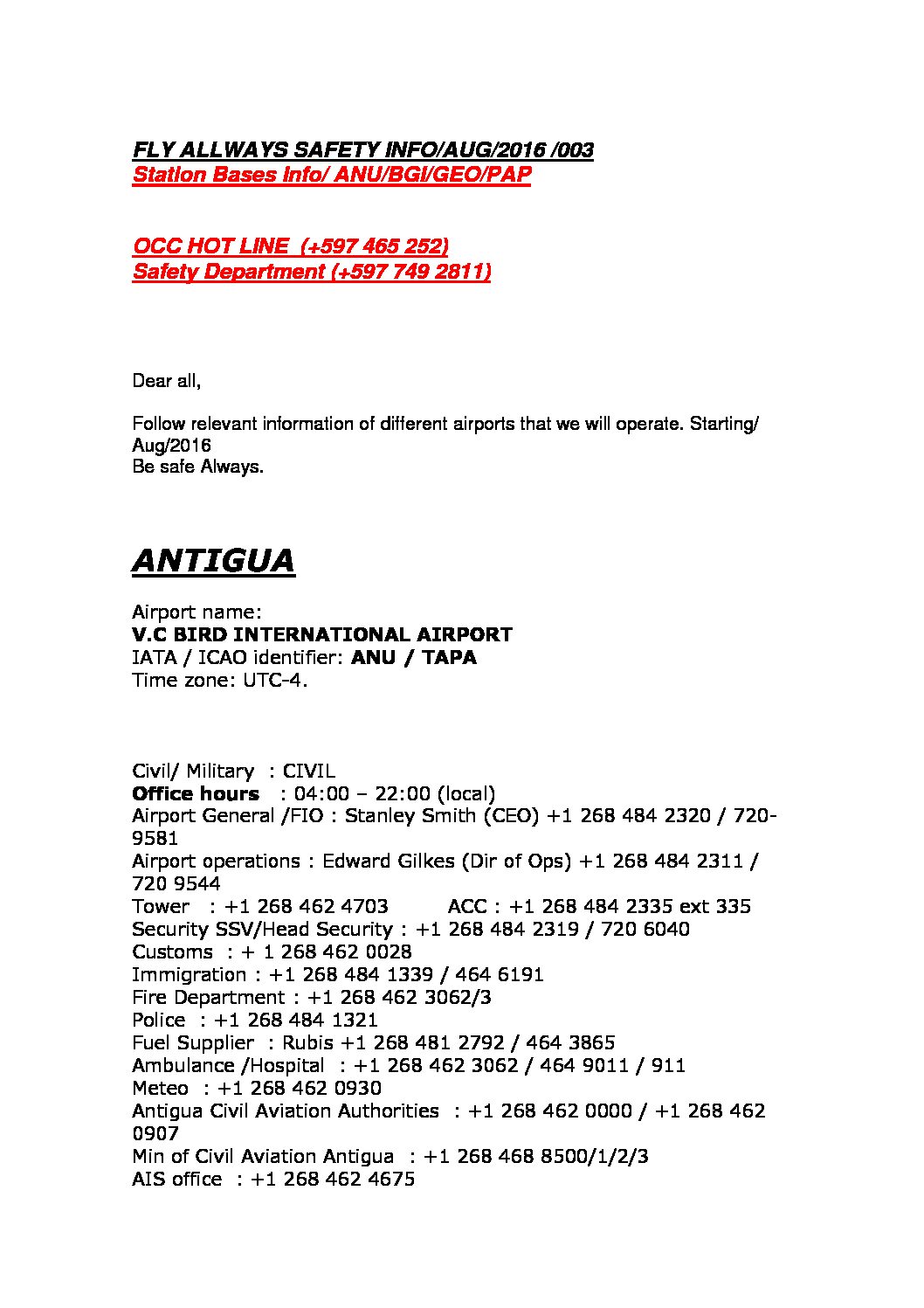
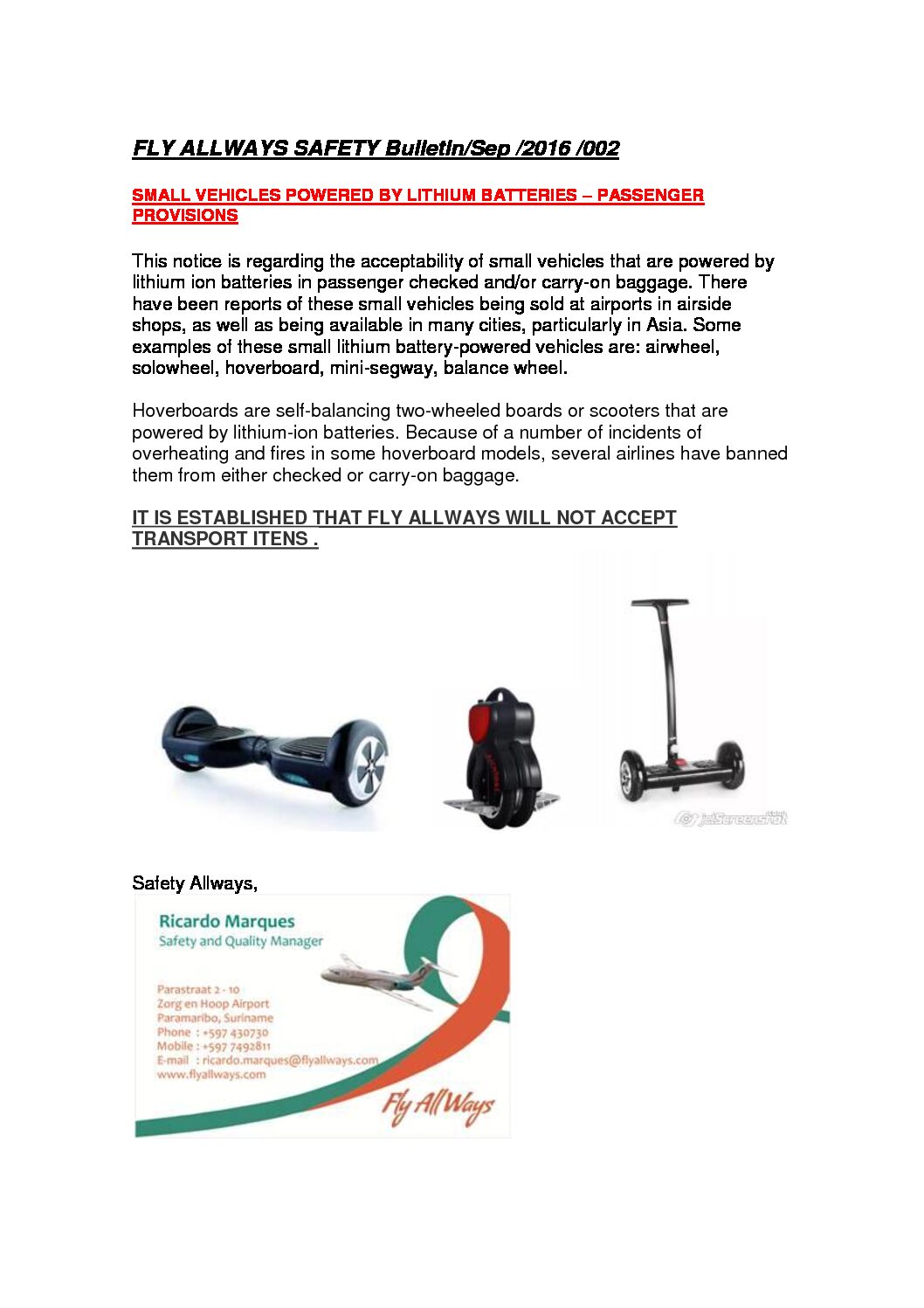
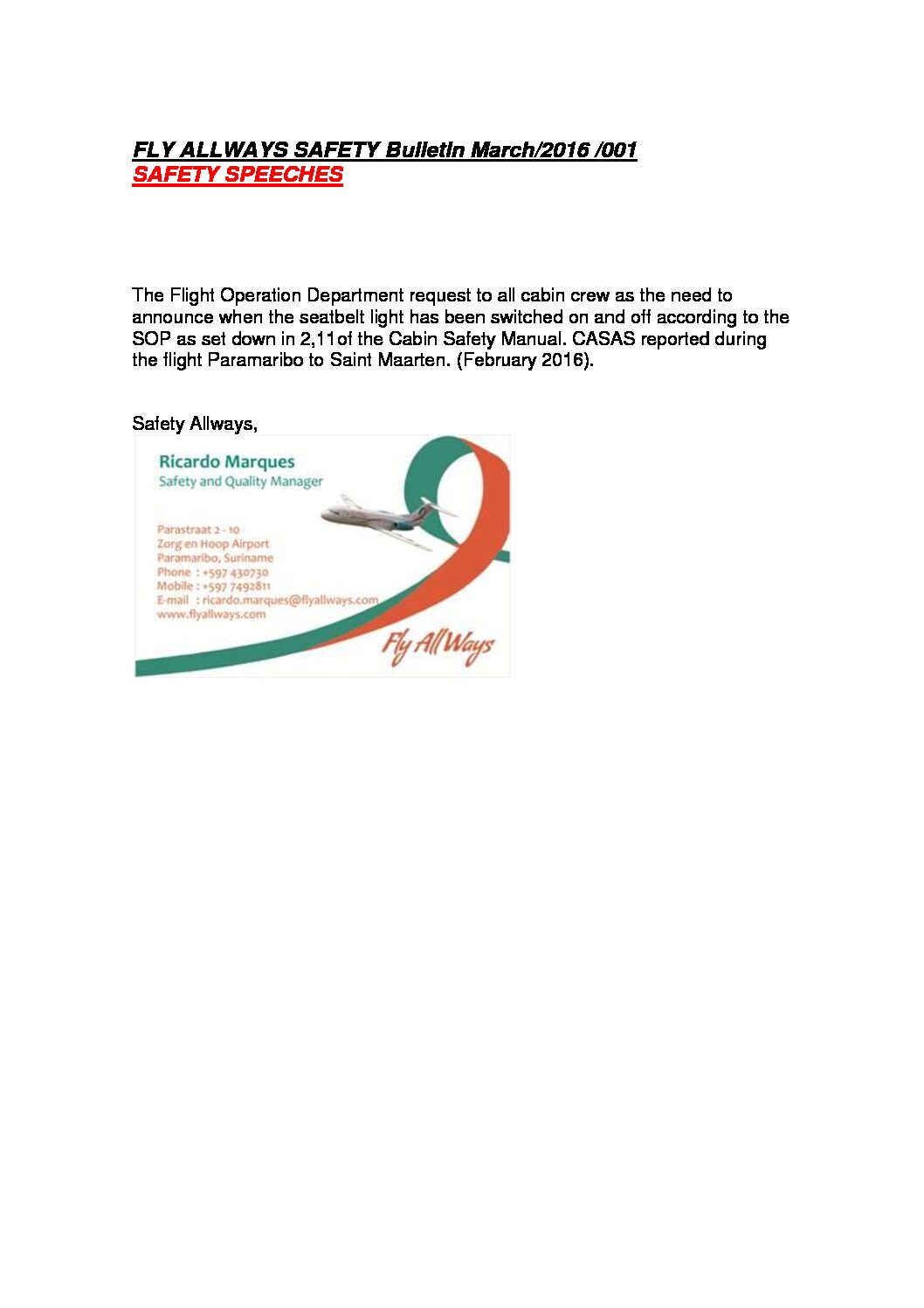
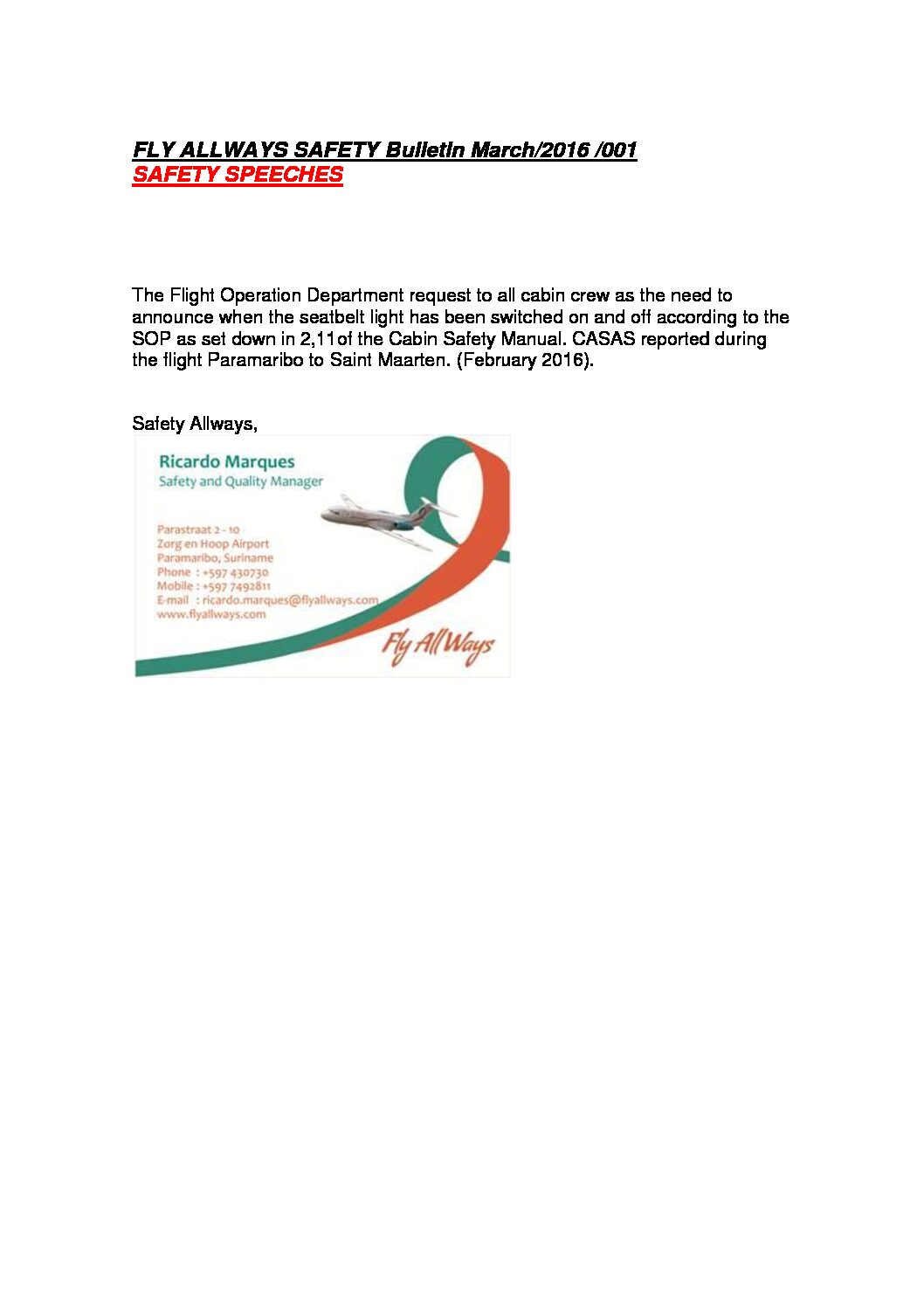
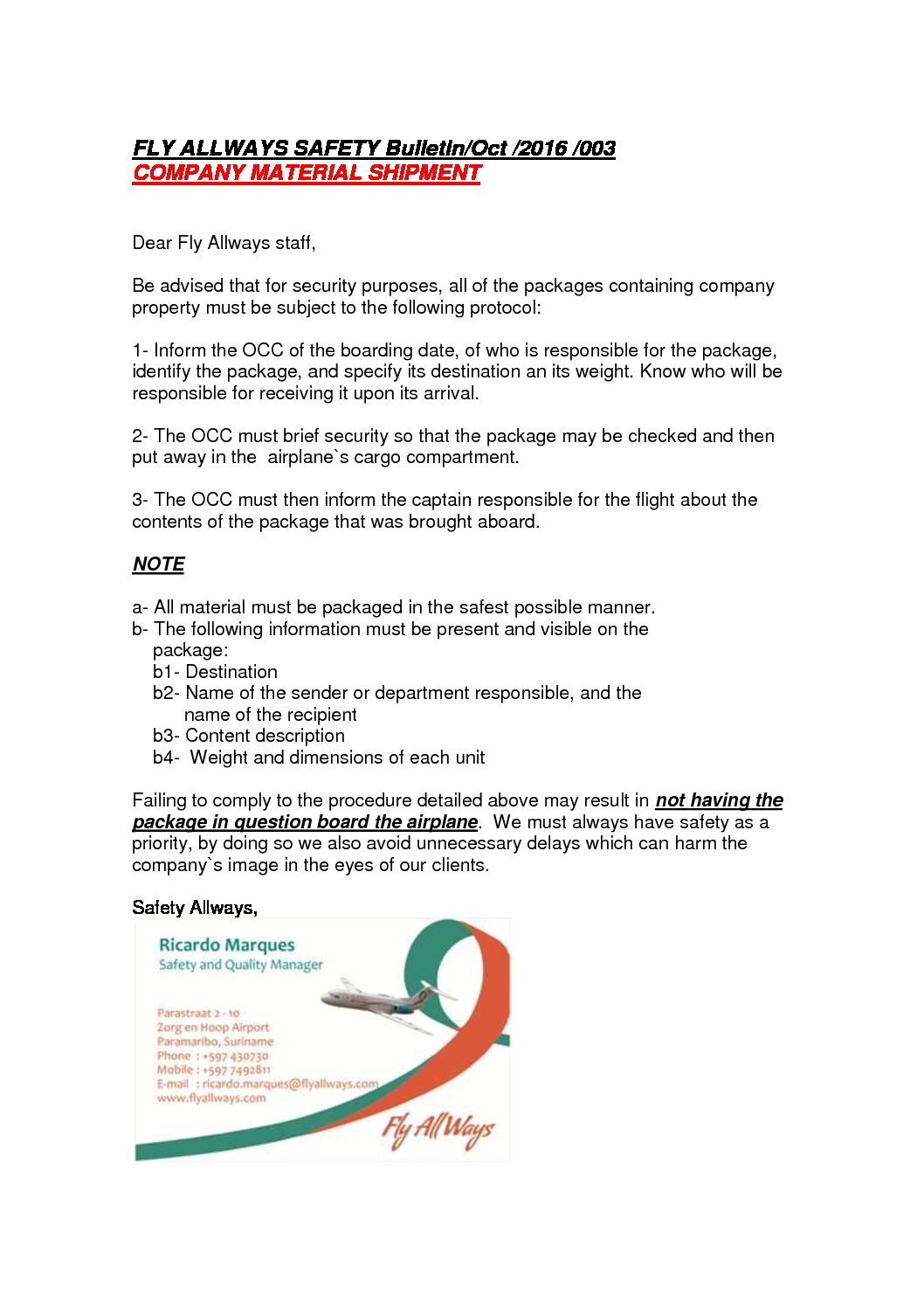
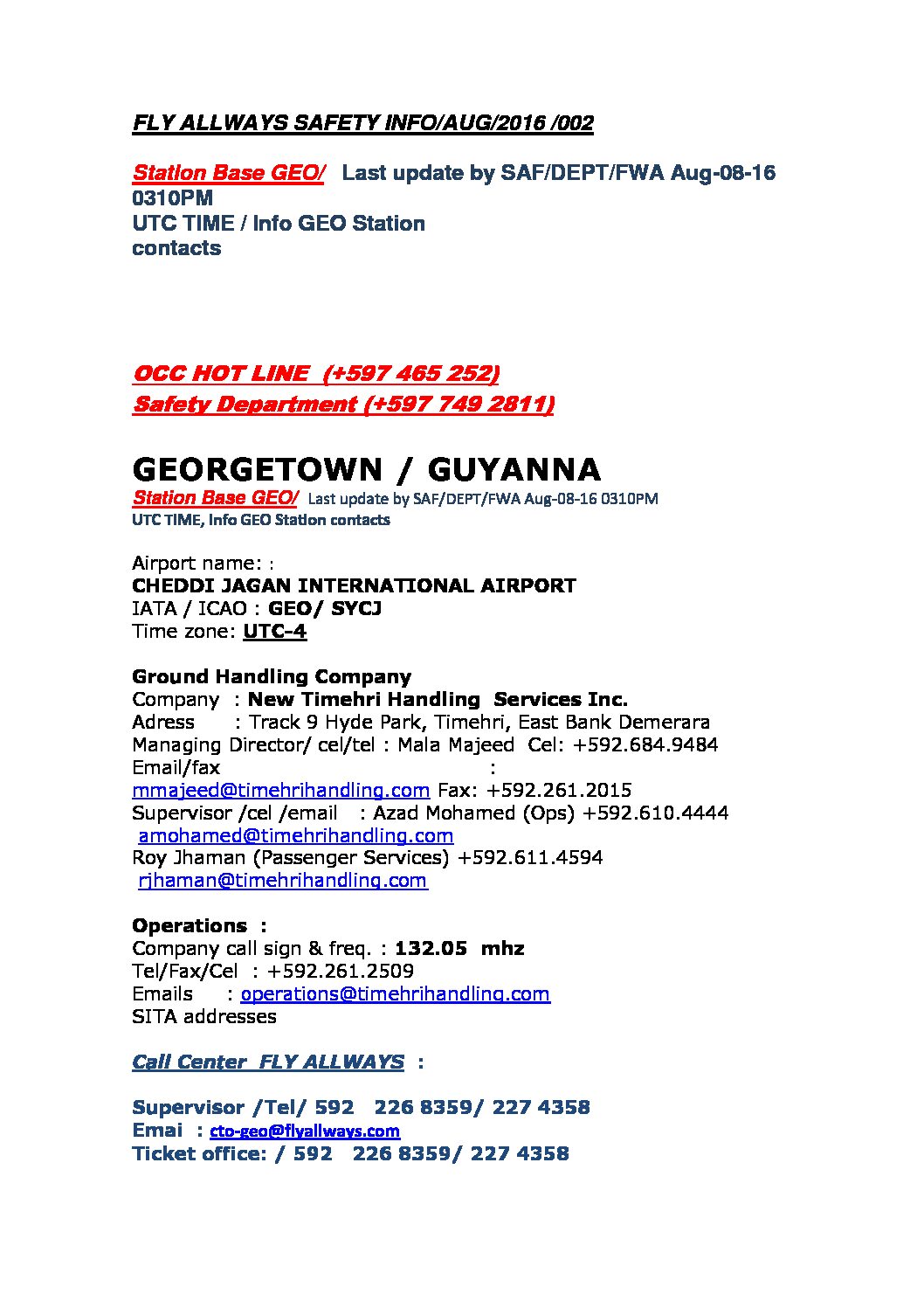
SAFETY BULLETINS 2016

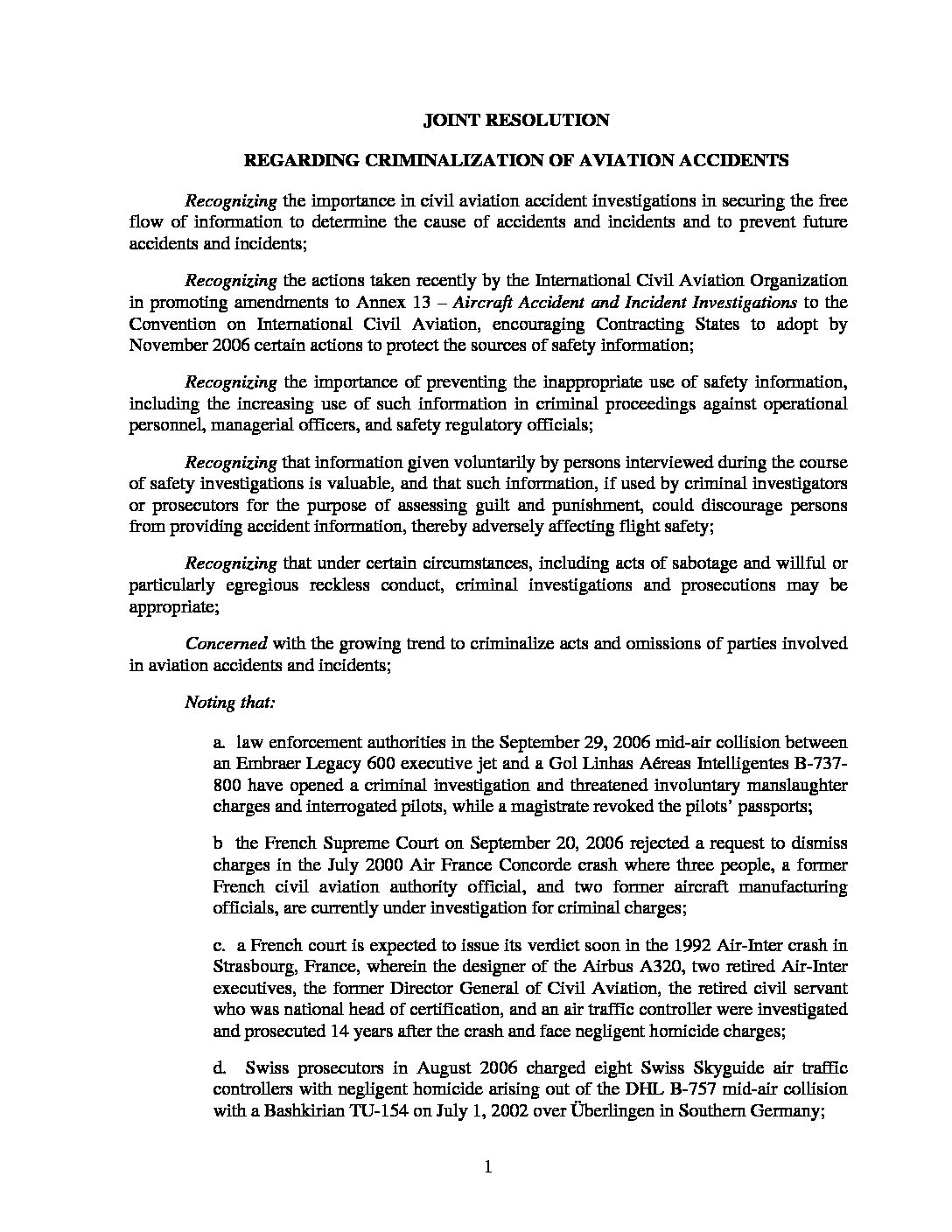
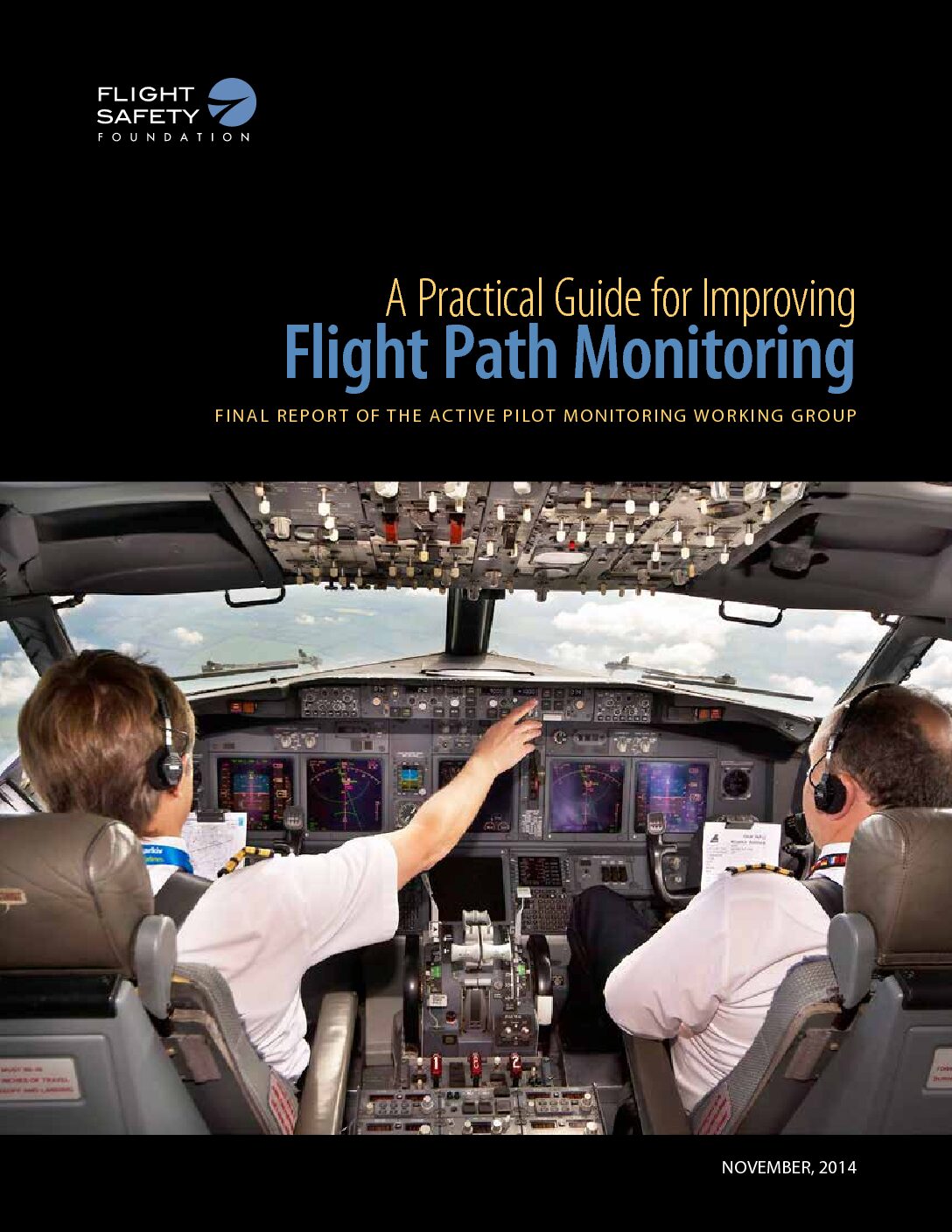
SAFETY BULLETINS 2017
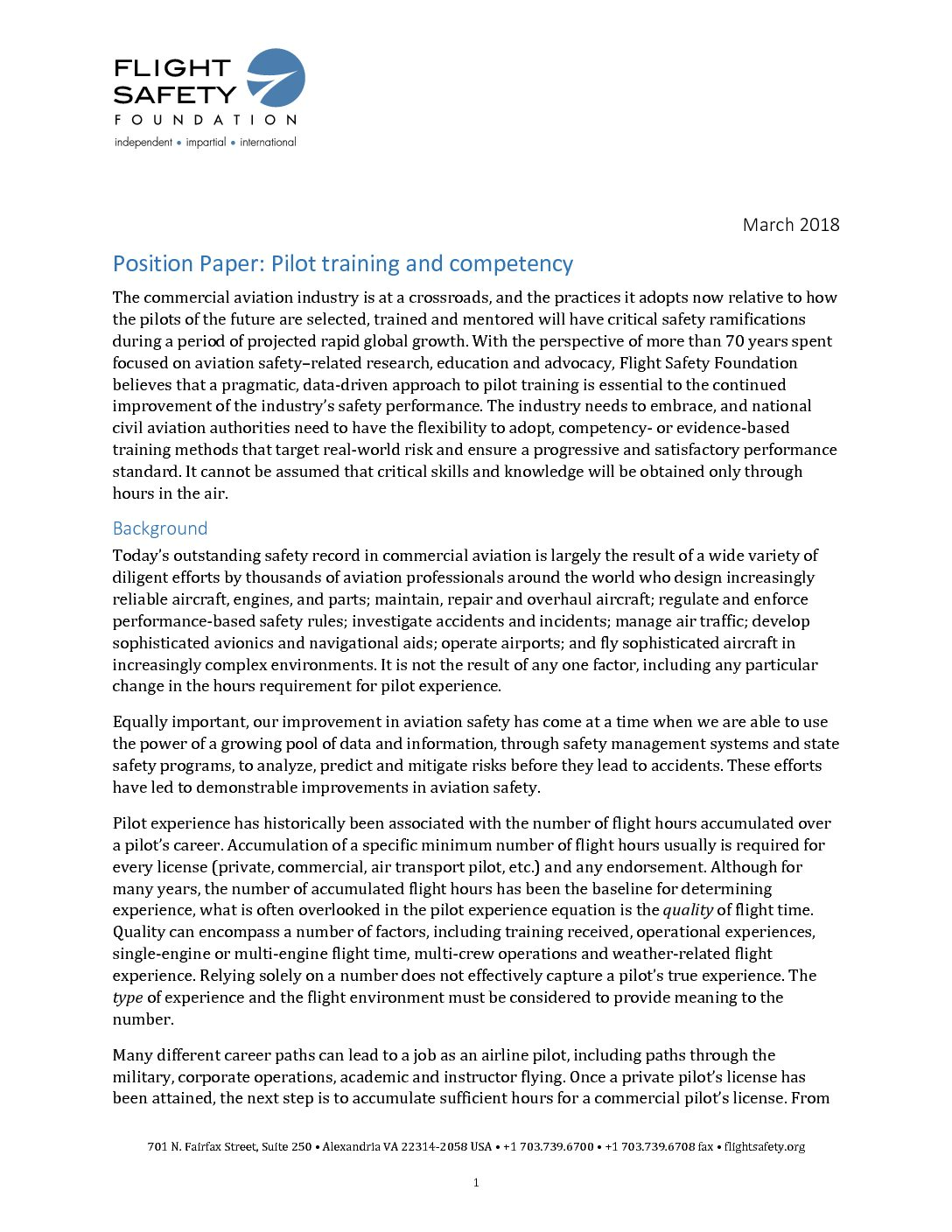
SAFETY BULLETINS 2018

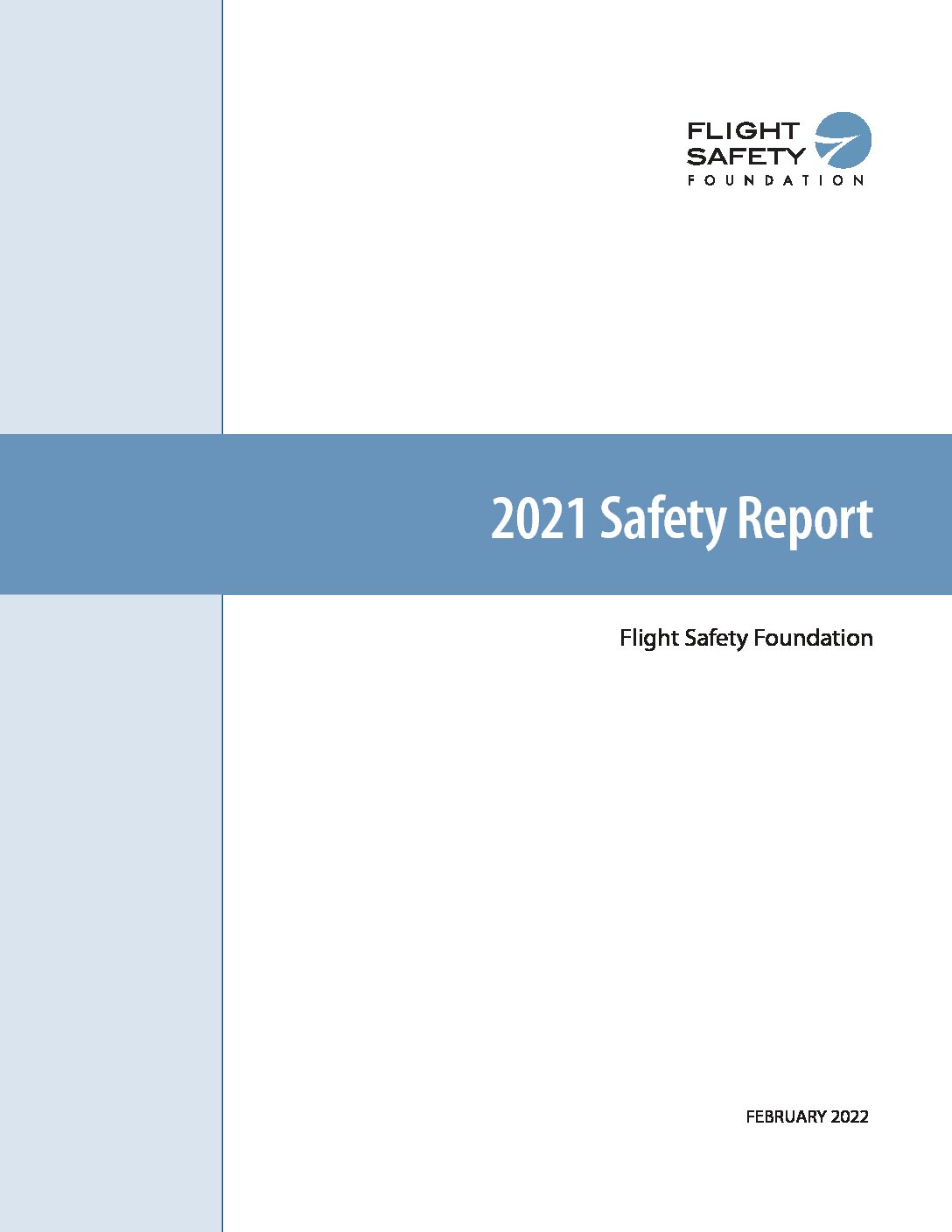
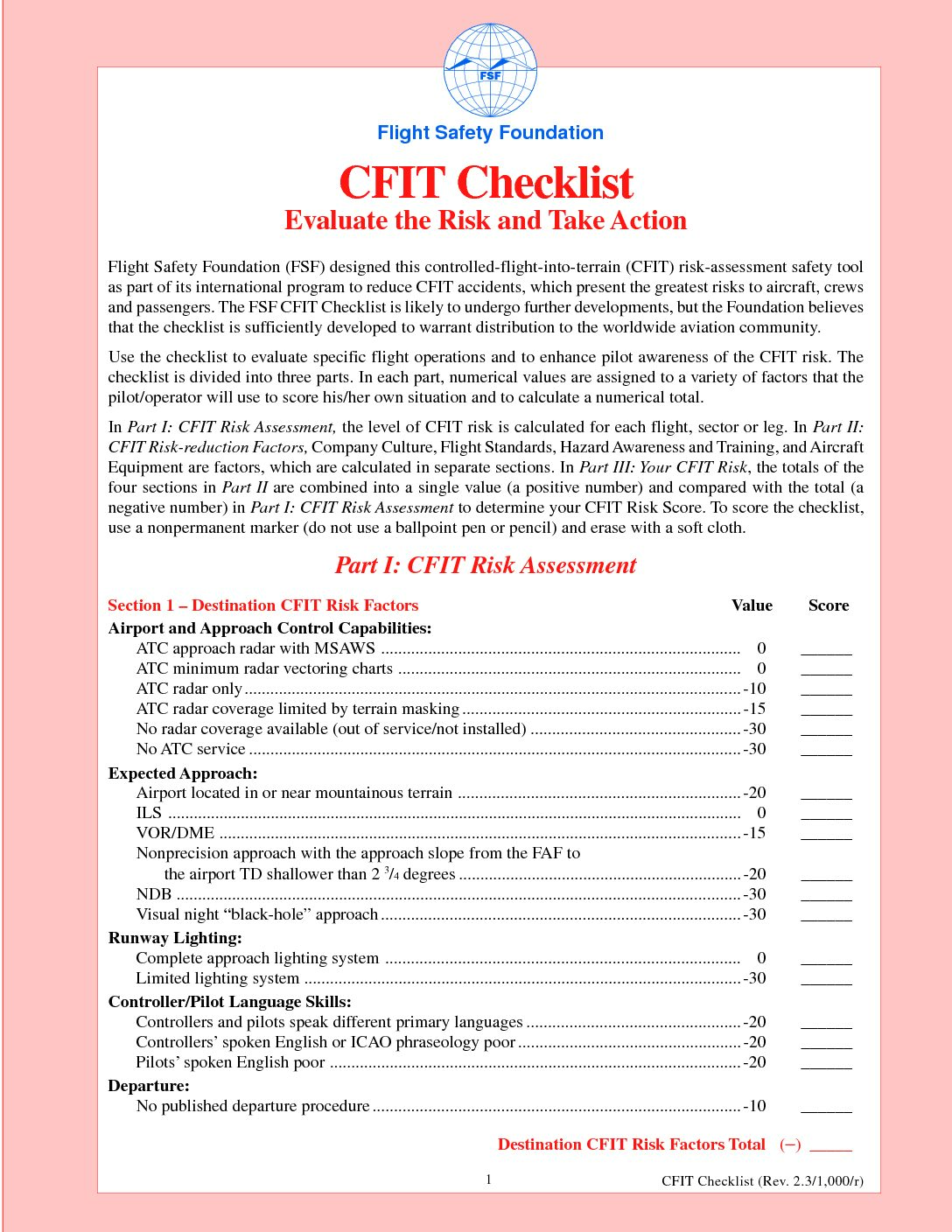
SAFETY BULLETINS 2019